
Can Food Grade rPET Plastic Help Brands Achieve Net-Zero Goals?

As eco-friendliness becomes a foundation of contemporary commerce, companies globally strive diligently to align with Net-Zero Goals. They also aim to meet buyer demand for green products. Food Grade rPET Plastic, a repurposed material safe for food use, emerges as a transformative solution. This article explores how Food Grade rPET Plastic aids enterprises in fulfilling net-zero objectives. It also boosts environmental responsibility and enhances market edge. Let’s dive into how this groundbreaking substance can reshape your company’s ecological impact.
rPET Market Status Analysis
The Rising Consumer Appetite for rPET
Shoppers increasingly prioritize eco-consciousness. A 2023 Nielsen study shows 73% of global buyers are ready to adjust their purchasing habits. They want to reduce environmental harm. This trend fuels interest in Food Grade rPET Plastic for packaging. It’s especially popular in food and drink sectors. Firms adopting rPET meet this interest. As a result, they foster greater customer devotion and market presence.
The Shrinking rPET Availability
Despite growing interest, the stock of premium rPET is dwindling. Limited recycling systems cause this issue. So does rivalry for used plastics. In 2024, global rPET production capacity rose by only 7%. This trailed the 12% demand surge (Plastics Recycling Update). The shortage emphasizes the need for dependable providers.
How Net-Zero Pledges Boost Brand Image
Pledging to Net-Zero Goals shows a firm’s commitment to eco-friendliness. This enhances its public image. Firms with clear net-zero plans see a 15% rise in buyer confidence (Edelman Trust Barometer, 2024). Using Food Grade rPET Plastic supports these pledges. It demonstrates concrete steps toward emission cuts. It also aligns with circular economy ideals.
Understanding Food Grade rPET Plastic and Its Role in Sustainability
What is Food Grade rPET Plastic?
Food Grade rPET Plastic is recycled polyethylene terephthalate (PET). It’s processed to meet strict safety rules for food contact. The creation process includes:
- Gathering: Collecting used PET bottles.
- Sorting and Cleansing: Removing impurities to ensure cleanliness.
- Transforming: Turning purified PET into pellets or sheets, like Food Grade Recycled PET Pellets.
This substance retains the durability and clarity of new PET. It’s safe for food packaging. Certifications from FDA, EFSA, and GRS confirm this.
Environmental Advantages of Using Food Grade rPET Plastic
Using Food Grade rPET Plastic provides notable ecological benefits:
- Less New Plastic: rPET reduces dependence on fossil-derived plastics by up to 90%.
- Smaller Carbon Impact: Making rPET uses 50% less energy than new PET. This cuts emissions.
- Circular Economy Support: rPET promotes a closed-loop system. Plastics are reused, not discarded.
These advantages make rPET a key part of green packaging solutions, like Food Grade Recycled PET Sheets.
Why Food Grade rPET Plastic Aligns with Net-Zero Goals
Food Grade rPET Plastic directly supports Net-Zero Goals. It does this through:
- Reducing Emissions: rPET production releases 1.5 tons less CO2 per ton than new PET.
- Minimizing Waste: rPET diverts millions of tons of plastic from landfills yearly.
- Encouraging Recycling: Firms using rPET promote recycling efforts. This strengthens circular economy initiatives.
How Food Grade rPET Plastic Drives Brand Sustainability
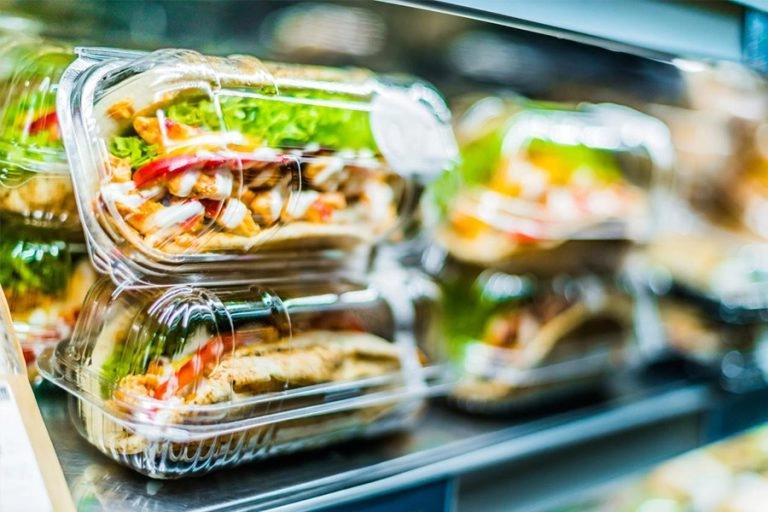
Cutting Carbon Emissions Through rPET Use
rPET’s energy-saving production significantly lowers emissions. For example, INTCO Plastics uses advanced sorting and granulation systems. These create rPET with up to 99% purity. This process reduces energy waste. Lifecycle studies show rPET lowers ecological impact by 60% compared to new plastics.
Meeting Regulatory and Buyer Expectations
Global rules, like the EU’s Single-Use Plastics Directive, require more recycled content in packaging. Food Grade rPET Plastic ensures adherence to these rules. It also attracts eco-aware buyers. A 2024 McKinsey report notes 66% of buyers prefer firms with green practices.
Scalability of Food Grade rPET Plastic for Brands
rPET’s flexibility makes it suitable for diverse uses:
Its affordability allows firms of all sizes to adopt rPET. They maintain quality and profitability.
Plastic Producer Ensuring Stable Food Grade rPET Supply
Collaborating with a trusted provider like INTCO Plastics guarantees consistent rPET availability. This mitigates market shortages. INTCO’s worldwide recycling network and modern facilities ensure top-quality rPET. It meets your packaging demands.
Real-World Examples of Brands Using rPET for Net-Zero Goals
Example 1: Coca-Cola’s Path with Food Grade rPET Plastic
Coca-Cola vows to use 50% recycled content in its packaging by 2030. It incorporates Food Grade rPET Plastic in its bottles. This cuts emissions by 20% per bottle. The move aligns with its Net-Zero Goals. It also bolsters its eco-friendly reputation.
Example 2: Unilever’s Green Packaging Efforts
Unilever uses Food Grade rPET Plastic in items like shampoo bottles. It aims for 100% recyclable packaging by 2025. This reduces emissions by 15% across its product range. The shift enhances buyer perception. It also supports its net-zero objectives.
INTCO Plastics: Your Trusted Food Grade rPET Plastic Supplier

Who is INTCO Plastics?
INTCO Plastics is a global leader in resource recycling. It specializes in premium Food Grade rPET Plastic. Based in Zibo, Shandong, it has facilities in Malaysia, Vietnam, and China. INTCO recycles 50,000 tons of PET bottles yearly into food-grade rPET. Its cutting-edge technologies and certifications (FDA, EFSA, GRS) ensure compliance with global benchmarks.
Why Choose INTCO for Sustainable Packaging?
INTCO excels due to its:
- Green Production: Using 100% post-consumer recycled materials for rPET pellets and sheets.
- Global Compliance: Meeting EFSA, FDA, and HALAL certifications for food safety.
- Customized Solutions: Providing tailored rPET products to support firms’ Net-Zero Goals. These range from bottles to thermoformed packaging.
With a focus on innovation and eco-friendliness, INTCO helps firms meet environmental and business goals.
Frequently Asked Questions About Food Grade rPET Plastic
Q1. What Makes Food Grade rPET Plastic Safe for Food Packaging?
A1. Food Grade rPET Plastic undergoes thorough cleaning and processing. This removes impurities. It achieves purity levels below 30ppm. Certifications from FDA, EFSA, and GRS confirm it meets food safety standards.
Q2. How Does Food Grade rPET Plastic Contribute to Net-Zero Goals?
A2. rPET cuts emissions by 50% compared to new PET. It also supports recycling efforts. This aligns with net-zero targets. It reduces energy use and waste.
Q3. Can Small Brands Afford to Use Food Grade rPET Plastic?
A3. Yes, rPET is cost-effective. Efficient production makes it affordable. Providers like INTCO offer scalable solutions. These suit small firms’ budgets.
Q4. Is Food Grade rPET Plastic Recyclable After Use?
A4. Absolutely. rPET can be recycled multiple times. It retains quality. This supports circular economy ideals.
Q5. How Can Brands Transition to Using Food Grade rPET Plastic?
A5. Firms can partner with providers like INTCO. They offer supply chain support and technical expertise. They also provide customized rPET solutions. This ensures a smooth transition.
Take the Next Step Toward Sustainability
Adopting Food Grade rPET Plastic is a strategic choice for firms pursuing Net-Zero Goals. It meets buyer and regulatory expectations. rPET cuts emissions and supports circular economy ideals. It also enhances brand image. Partner with INTCO Plastics to secure a steady supply of premium rPET. Begin your journey to a net-zero future today. Contact INTCO to explore tailored solutions for your packaging needs!